The Upwork red flags that predict a bad marketing hire
A practical buyer checklist for spotting weak marketing proposals before you hand over ad account access.
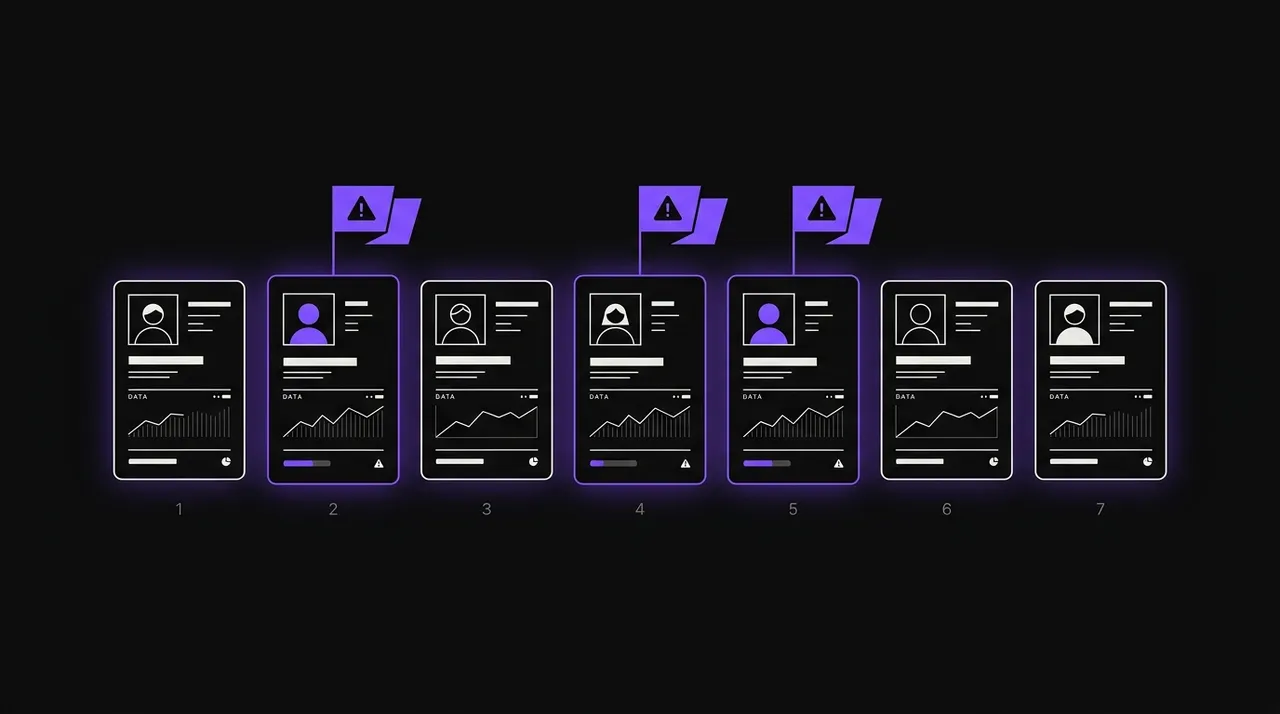
Hiring from Upwork can work. The risk is not the platform. The risk is letting a polished application replace diagnosis.
Most weak marketing hires show the same signals before the contract starts. The proposal is broad, the proof is fuzzy, and the first move is to change campaigns before anyone checks whether the tracking can be trusted.
Use these red flags before you give a freelancer or agency access to spend.
Red flag 1: they answer the service list, not the business problem
If your post says you need Meta Ads, Google Ads, reporting, and creative, a weak responder will repeat those services back to you. That tells you they can read the brief. It does not tell you they understand the constraint.
A stronger response names the economic bottleneck:
| Your symptom | Better first question |
|---|---|
| Cost per lead rose | Did lead quality change or did tracking change? |
| ROAS fell | Did margin, offer, or repeat purchase rate move? |
| Spend stopped scaling | Which campaign is hitting saturation first? |
| Reports look messy | Which number does finance trust? |
That is the difference between a task taker and an operator.
Red flag 2: they lead with screenshots
Screenshots can help, but they are easy to misuse. A $20 CPA screenshot means very little if the client sold a $29 product, had bad fulfillment, or counted every form fill as a lead.
Ask for context around proof:
- What was the business model?
- What counted as a conversion?
- What changed after the first audit?
- What did they cut?
If the answer stays at dashboard level, keep looking.
Red flag 3: they want to scale before inspecting tracking
Scaling a broken account usually makes the break more expensive.
Before any new budget recommendation, the proposal should mention tracking quality. That includes form events, call tracking, offline revenue, CRM handoff, and the gap between platform attribution and business reality.
We wrote about this in the reporting scorecard. The short version: if a report hides spend, conversion quality, funnel stage, or next action, it is not a management tool.
Red flag 4: they cannot name a kill rule
Good marketers know what they would stop doing.
Ask this:
What would make you pause or cut a campaign in the first two weeks?
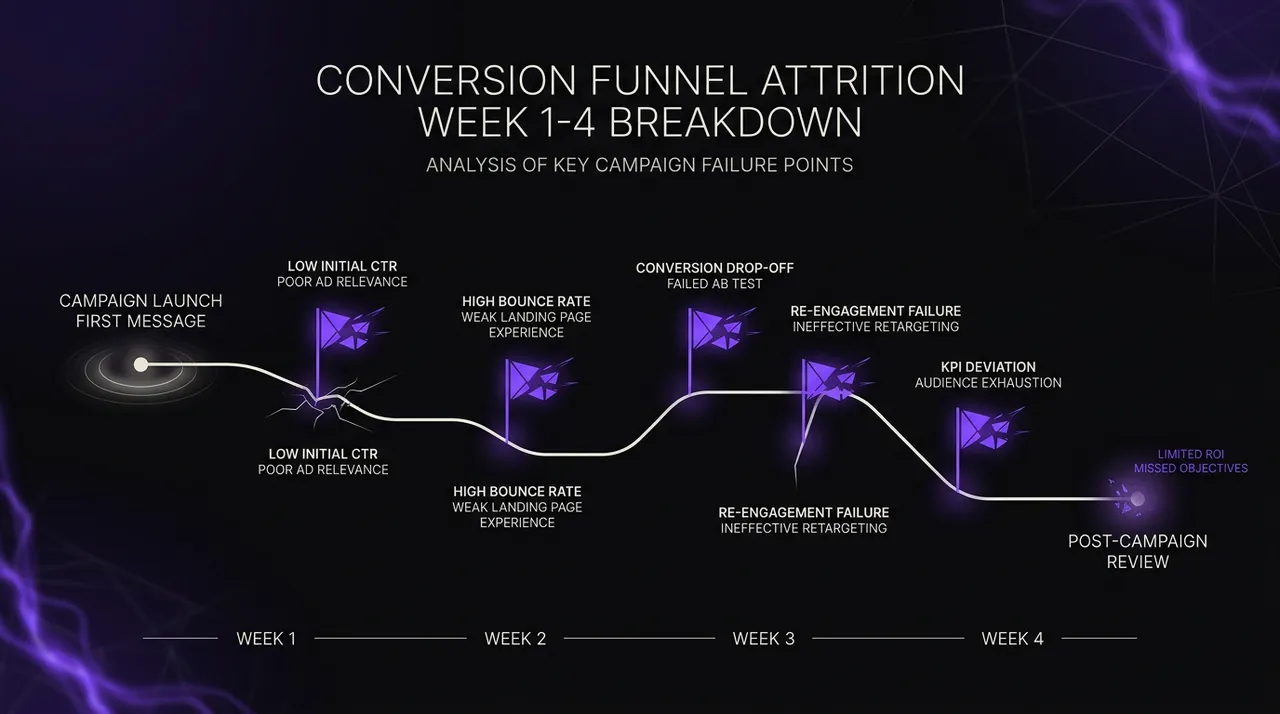
A weak answer says they will optimize until performance improves. A useful answer names a threshold: bad lead quality, mismatch between search terms and buyer intent, creative fatigue, poor landing page conversion, or attribution that cannot be reconciled.
The kill rule matters because it shows whether the person protects your budget.
Red flag 5: they pitch every channel at once
Omnichannel sounds sophisticated. In a small or mid sized account, it often means nobody knows which constraint matters first.
The first plan should sequence work. For example:
| Week | Better focus |
|---|---|
| 1 | Audit tracking, search terms, landing pages, and lead quality |
| 2 | Cut obvious waste and fix measurement gaps |
| 3 | Test one new campaign or creative angle |
| 4 | Decide whether to scale, rebuild, or hold |
That rhythm beats a channel menu.
The filter
Shortlist the responder who can explain what they would inspect, what they would refuse to scale, and what would make them change the plan.
That is the signal you are buying.
If you want a second read before hiring from Upwork, book a strategy call. We will help you separate a diagnostic operator from a polished template.