Why a cheaper lead can still waste your Google Ads budget
A practical filter for deciding whether a lower CPL is real progress or just a cleaner way to buy bad-fit leads.
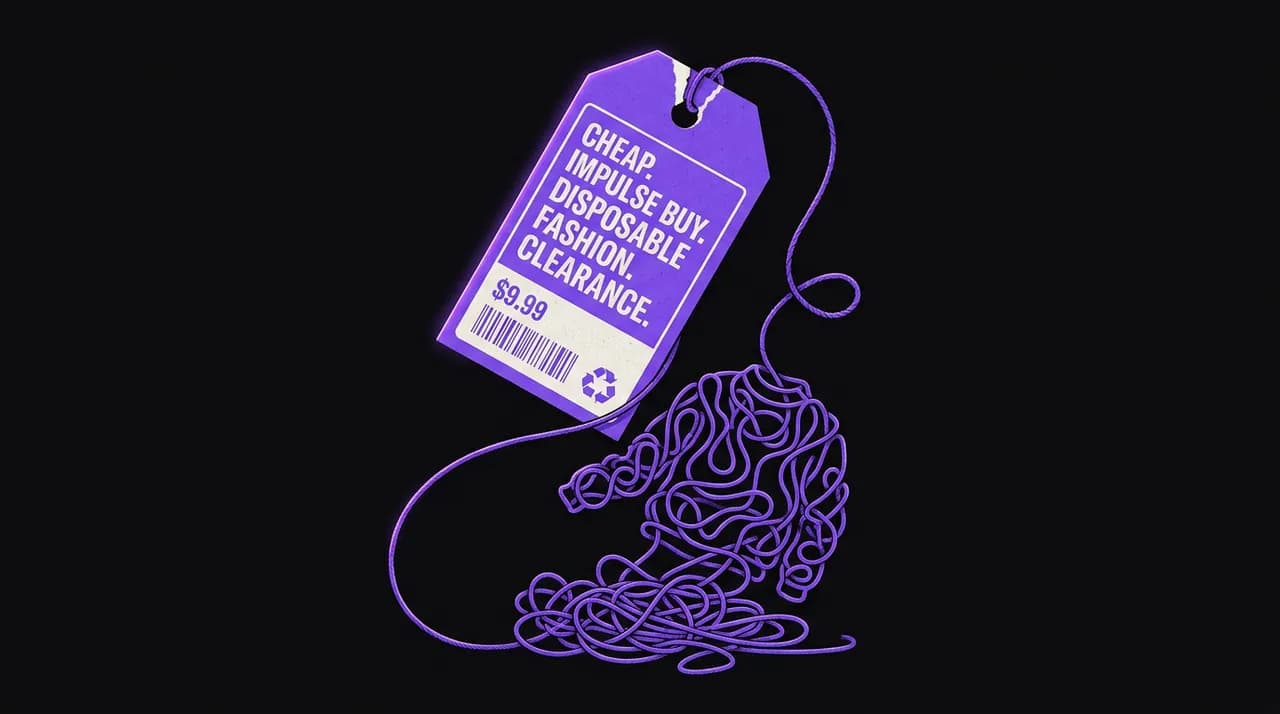
A lower cost per lead looks like a win until the sales team refuses to call the leads.
That is the trap in many Google Ads accounts. The report celebrates a cheaper CPL, but nobody checks whether the new leads are qualified, reachable, or likely to turn into revenue. The number got better. The business did not.
The useful question is not "Did CPL fall?" It is "What did we trade away to make CPL fall?"
The false win
Google Ads makes it easy to chase cheap volume. Broader match types, looser audiences, softer conversion events, and automated bidding can all make lead cost fall on paper.
The account can look healthier while the pipeline gets worse.
| Reported improvement | Hidden risk |
|---|---|
| CPL fell | Lead quality fell faster |
| Conversion volume rose | The conversion event got weaker |
| Search traffic grew | Nonbuyer queries entered the account |
| Cost per click dropped | Intent dropped with it |
This is why CPL cannot sit alone in a report. It needs context from the sales process.
A cheaper lead is only cheaper if it survives the next stage of the funnel.
What we checked first
In the Johny Watches case study, the headline improvement was a cost per lead drop from $105 to $29. That sounds like a simple efficiency win, but the work did not start by asking Google for cheaper traffic.
It started with four checks:
- Which search terms were producing leads.
- Which calls were actually trackable.
- Which branded and competitor searches were being overpaid for.
- Which products had enough margin to justify the bid.
The CPL drop mattered because the account structure changed around intent and margin. We were not buying softer leads. We were removing waste from the path to qualified demand.
That distinction matters.
The same cleanup shows up in our teardown work. In Issue #1 of our paid ads teardown series, a B2B industrial account looked healthy on every reported metric while automated bidding quietly burned 20% of the monthly budget on queries that could never convert. The search terms report exposed the leak. The recovered spend went back into the campaigns that were already converting, and the account reached 12.48x ROAS within thirty days. CPL never told that story. The search terms did.
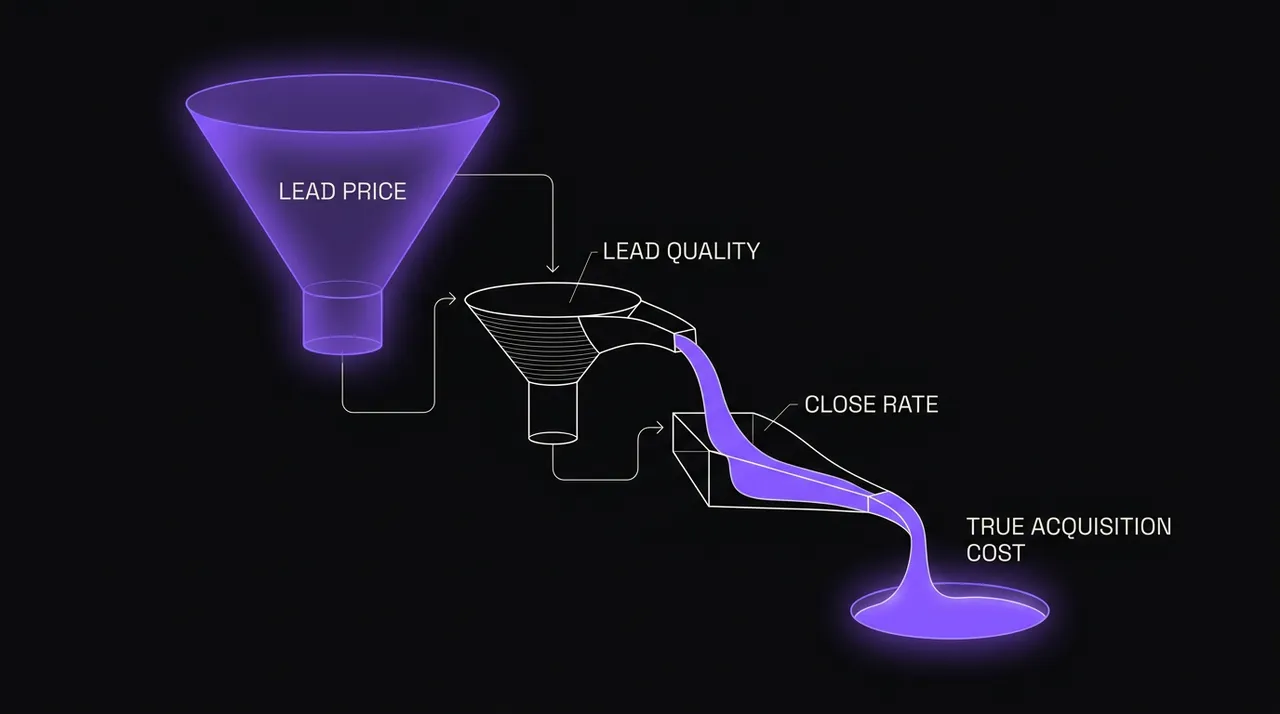
The quality test
Before you call a CPL improvement real, ask for these rows in the report.
| Row | What it protects against |
|---|---|
| Lead source by campaign | Hiding weak leads inside blended averages |
| Search terms or audience source | Buying cheap demand from the wrong people |
| Contact rate | Counting leads nobody can reach |
| Qualified rate | Treating every form fill as equal |
| Revenue or booked pipeline | Optimizing for activity instead of outcome |
If your report cannot show those rows, the cheaper CPL may be cosmetic.
This is the same reporting problem we covered in the four-row reporting scorecard. Spend, output, efficiency, and action have to sit together. Otherwise the agency can pick whichever number looks best.
When a lower CPL is real
A lower CPL is worth trusting when the next-stage numbers hold.
| Good sign | What it means |
|---|---|
| Contact rate stays stable | The leads are still reachable |
| Qualified rate improves or holds | The account is not buying softer demand |
| Sales notes match the targeting thesis | The campaign is finding the intended buyer |
| Revenue efficiency improves | The cheaper lead is becoming cheaper pipeline |
That is the difference between optimization and discount traffic.
The same logic applies outside Google Ads. In the paid social testing loop, the useful read is not just whether an ad gets attention. It is whether attention becomes commercial signal. Paid search has the same rule.
What to ask your agency
Use these questions in the next account review:
- Which campaign lowered CPL without lowering qualified rate?
- Which campaign drove cheap leads that sales disliked?
- Which search terms did we cut because they looked efficient but converted poorly?
- What budget move are we making because of lead quality, not just lead cost?
The agency should be able to answer without opening six separate dashboards.
If they cannot, they may be optimizing the platform instead of the business. When we run Google Ads management for an account, these four questions open every review before any bid or budget move is made.
If you are evaluating which firms to hire, our breakdown of PPC advertising companies covers the due diligence checklist you need before signing. If you want to understand the platform landscape first, read our guide to paid ads platforms.
Want us to check whether your cheaper leads are actually useful? Book a free audit call. We will inspect the campaigns, search terms, and reporting rows that show whether CPL is helping or hiding waste.